Micro Precision Micro Precision

Best Grapple Bucket Cylinder Options for Your Procurement Needs?

Time:2026-05-25 Author:Isabella
0%

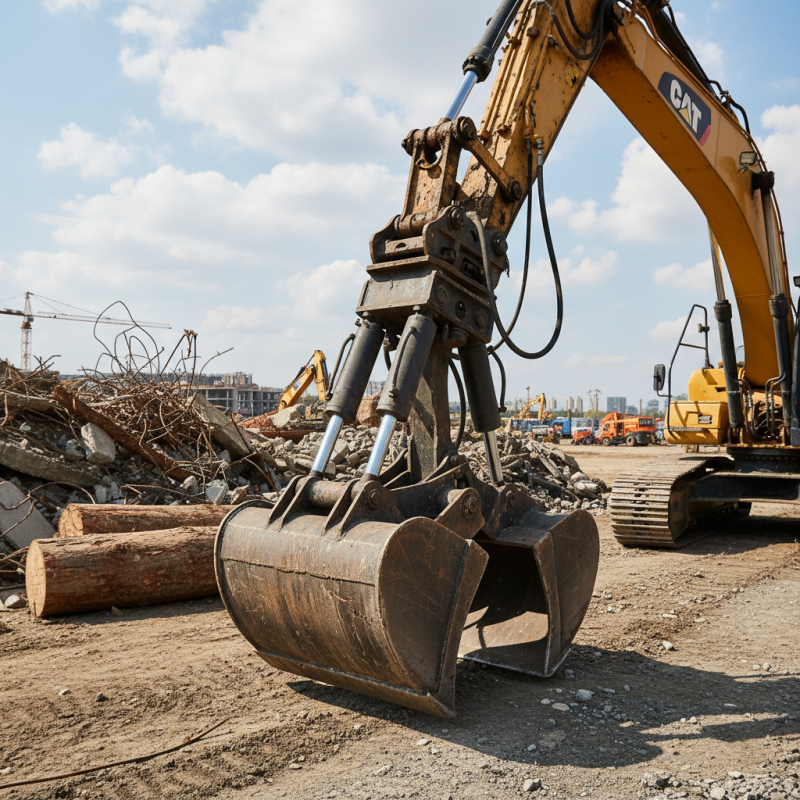
When selecting the best grapple bucket cylinder for your procurement needs, it’s crucial to consider several factors. The grapple bucket cylinder plays a vital role in lifting and manipulating heavy materials efficiently. With proper selection, this component can enhance productivity on various job sites.

Various options are available in the market. However, not all cylinders are created equal. Understanding the specifications and intended use can help in making an informed choice. Quality, durability, and compatibility are essential factors to examine. For example, a heavy-duty cylinder may be necessary for tough terrain, while lighter models can suffice for less demanding jobs.

Choosing the right grapple bucket cylinder can be confusing. Review feedback from other users. It can help identify potential issues or advantages of different models. Ensuring reliability in your equipment is non-negotiable. A well-chosen grapple bucket cylinder can lead to better performance and reduced downtime, making it a worthwhile investment for any operation.
Best Grapple Bucket Cylinder Options for Your Procurement Needs?

Understanding Grapple Bucket Cylinders: Key Features to Consider

When considering grapple bucket cylinders, understanding key features is essential for making informed procurement decisions. These cylinders are critical components for efficient material handling. They allow operators to grasp, lift, and transport various materials. According to industry data from the International Construction Market, hydraulic cylinder efficiency can improve operational performance by up to 20%.

Key features to consider include cylinder size, stroke length, and pressure ratings. The optimal size affects how much material the grapple bucket can handle. Stroke length determines the range of motion. Data indicates that cylinders with a higher stroke length can increase productivity significantly. Pressure ratings are equally important; many grapple bucket cylinders operate effectively between 2,000 to 3,000 PSI. However, exceeding these limits could lead to mechanical failures, which may result in costly downtimes.

Market analysis reveals that increased demand for materials handling equipment drives innovation in cylinder design. New technologies aim to enhance durability and efficiency. It's worth noting that not all offers in the market deliver reliable performance. Potential buyers should research supplier reputations carefully. Engaging with experienced operators can provide valuable insights into which features truly enhance performance and longevity in real-world applications.

Types of Grapple Bucket Cylinders: Which One Suits Your Needs?

When selecting a grapple bucket cylinder, consider the various types available. Each type serves distinct operational needs. Hydraulic cylinders are popular for their strength and efficiency. They provide precise control, ideal for heavy lifting tasks. Their robust construction can handle tough materials. Yet, they require regular maintenance to ensure optimal performance.

Pneumatic cylinders present an alternative. They utilize compressed air, making them lightweight and easy to install. However, their lifting capacity may be lower compared to hydraulic options. These cylinders are suitable for lighter materials. Users must assess their specific applications to choose wisely.

Electric cylinders are gaining traction due to their energy efficiency and ease of use. They offer smoother operation and less noise. Yet, they may not be as powerful for larger loads. Each cylinder type has its pros and cons, prompting users to reflect on their unique requirements. This decision can greatly impact efficiency in the long run.

Best Grapple Bucket Cylinder Options for Your Procurement Needs

Cylinder Type Bore Diameter (inches) Stroke Length (inches) Working Pressure (psi) Weight (lbs) Best Use Case
Double Acting 3 18 2500 30 General Purpose
Single Acting 4 24 1800 25 Forestry
Heavy Duty 5 30 3000 40 Construction
Compact 2 15 1500 20 Landscaping
Rotating 4 20 2000 35 Recycling

Evaluating Performance: Factors Affecting Grapple Bucket Cylinder Efficiency

When considering grapple bucket cylinders, performance is paramount. Several factors influence their efficiency. One key aspect is the design of the cylinder itself. Streamlined designs reduce friction and maximize force. Materials also play a significant role. High-grade steel or durable alloys provide longevity and withstand heavy loads.

Another important factor is hydraulic pressure. The optimal pressure levels dictate the lifting capacity of the grapple. Insufficient pressure can lead to poor performance and increased wear. Regular maintenance checks ensure that seals and hoses are intact, minimizing leaks and ensuring efficient operation. Observing these elements can reveal potential inefficiencies before they become problematic.

Lastly, operator skill cannot be overlooked. Proper training ensures that equipment is used effectively. An experienced operator can optimize the use of hydraulic systems, leading to maximum efficiency. Reflecting on these critical aspects can enhance decision-making when selecting grapple bucket cylinders. Efficiency is not just about the hardware; it's about understanding how every component interacts.

Best Grapple Bucket Cylinder Performance Evaluation

Cost Analysis: Budgeting for High-Quality Grapple Bucket Cylinders

When budgeting for high-quality grapple bucket cylinders, several factors come into play. The cost can vary greatly based on specifications. Reports indicate that quality grapple bucket cylinders generally range from $500 to $1,500. This variance often stems from design, material, and application. Investing in durable materials can initially seem more expensive, but this can lead to long-term savings through reduced maintenance needs.

A common misconception is that the cheapest option is the best choice. Data suggests that up to 30% of procurement costs come from repairs and replacements. Lower upfront costs may lead to higher total expenses over time. Companies often report dissatisfaction when they prioritize initial savings over the quality of the product. Real-world case studies show that regular maintenance on low-cost cylinders can cost as much as 50% more annually than maintaining higher quality ones.

Deciding on a budget requires consideration of not only immediate costs but also durability and efficiency. Selecting the right grapple bucket cylinder can impact overall operational productivity. Misjudgments in purchasing decisions can lead to operational delays. It’s crucial to weigh the long-term benefits against short-term gains. Making informed decisions can ensure a better return on investment in the long run.

Top Brands and Models: A Review of Leading Grapple Bucket Cylinder Options

When it comes to selecting grapple bucket cylinders, several key factors demand your consideration. Look for cylinders made from high-quality materials that ensure durability. A reliable cylinder can withstand the tough environments typical of construction or agricultural use. Ensure the models you examine receive positive feedback for performance and longevity.

Tips: Always check for compatibility with your existing equipment. Measure the mounting points accurately. Consider the hydraulic pressure requirements of your system.

In the market, many options exist. Each offers unique specifications. Some models stand out for their efficiency and ease of maintenance. User reviews highlight the importance of hydraulic flow rates. A higher flow rate can enhance productivity in demanding tasks. Pay attention to the weight specifications too; an overly heavy cylinder might affect equipment balance.

Tips: Regular maintenance is crucial. Inspect seals and hoses frequently. Timely replacements can prevent costly downtime and repairs.

FAQS

: What factors should I consider when choosing a grapple bucket cylinder?

: Consider the type of operation, material handling needs, and cylinder design. Assess hydraulic pressure and maintenance requirements.

What are the main types of grapple bucket cylinders?

The main types include hydraulic, pneumatic, and electric cylinders. Each serves different load capacities and applications.

How do hydraulic cylinders compare to pneumatic cylinders?

Hydraulic cylinders offer stronger lifting capability, while pneumatic cylinders are lighter and easier to install but less powerful.

Why is regular maintenance important for grapple bucket cylinders?

Maintenance ensures optimal performance and prevents costly breakdowns. Check seals and hoses often for longevity.

What materials should grapple bucket cylinders be made from?

High-grade steel or durable alloys are recommended. These materials provide the necessary strength for heavy loads.

How does operator skill impact grapple bucket efficiency?

Skilled operators can maximize the effectiveness of hydraulic systems, improving overall operational efficiency.

What should I look for in user reviews of grapple bucket cylinders?

Focus on feedback regarding performance, durability, and maintenance ease. High hydraulic flow rates are often highlighted as beneficial.

How does cylinder weight affect equipment performance?

An overly heavy cylinder can disrupt balance during operation. Ensure compatibility with other equipment specifications.

Can the design of the cylinder impact its performance?

Yes, streamlined designs reduce friction and enhance force delivery, affecting overall efficiency and effectiveness.

Should I consider energy efficiency when selecting a cylinder?

Yes, energy-efficient cylinders can reduce operational costs and provide smoother operation, though they may lift lighter loads.

Conclusion

When it comes to selecting a Grapple Bucket Cylinder, understanding the essential features and types available is crucial for meeting specific procurement needs. Considerations such as the cylinder's size, capacity, and material can vastly influence its effectiveness based on the intended use. Evaluating the performance involves examining factors that affect efficiency, including load handling and cycle times, which directly impact productivity on-site.

Furthermore, a thorough cost analysis is important for budgeting, ensuring that high-quality options are within financial reach without compromising on performance. By reviewing the top brands and models, potential buyers can identify leading Grapple Bucket Cylinder options tailored to their specific requirements, ultimately ensuring a successful procurement process.

Isabella

Isabella

Isabella is a dedicated marketing professional with a sharp focus on driving brand growth and engagement through strategic content creation. With an extensive background in digital marketing, she combines her passion for storytelling with her keen understanding of industry trends to deliver......