
Micro Precision
The hydraulic cylinder is a critical component in heavy machinery. Its performance directly affects the efficiency and productivity of operations. According to recent industry reports, over 70% of heavy equipment relies on hydraulic systems. Hydraulic cylinders convert hydraulic energy into mechanical power. This conversion is vital for moving and lifting heavy loads.
However, not all hydraulic cylinders are created equal. Different types suit various applications, from construction to agriculture. For instance, double-acting cylinders provide force in both directions. This feature is essential for tasks that require both lifting and lowering. On the other hand, single-acting cylinders are simpler and cost-effective but offer limited functionality.
Choosing the right hydraulic cylinder is crucial for safety and performance. Poor selection can lead to equipment failure or safety hazards. According to research, improper application can reduce the lifecycle of hydraulic components by up to 30%. Thus, understanding the various types of hydraulic cylinders is essential for operators and engineers alike. A reflection on this knowledge can foster improved decision-making in the field.
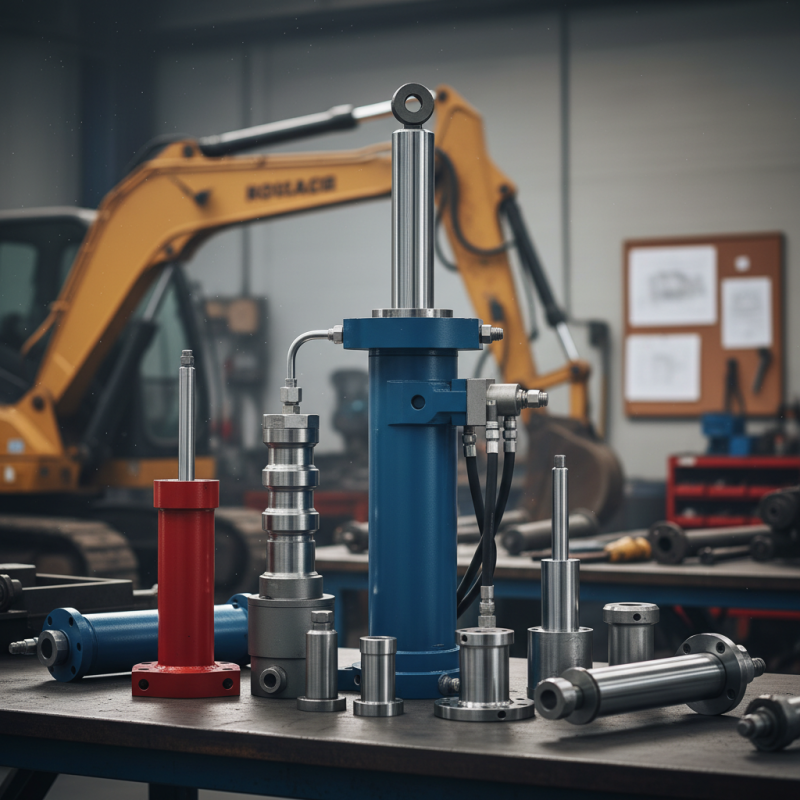
Hydraulic cylinders are essential in heavy machinery. Different types serve various functions. Understanding these can enhance equipment performance.
Single-acting cylinders are a common choice. They provide force in one direction. This type relies on external mechanisms for retraction. They are often lighter and easier to install. However, they may lack the power of double-acting cylinders.
Double-acting cylinders are more versatile. They apply force in both directions. This capability allows for more complex movements. Operators can achieve greater efficiency with this type. Yet, they can be bulkier, making installation tricky in tight spaces. Choosing the right type is crucial for optimal performance.
When selecting hydraulic cylinders for heavy machinery, several factors demand attention. The cylinder's bore size affects the force output. Larger bore sizes can generate greater force, but they also require more fluid. You must evaluate the force required for your specific application. Aspect ratio, the cylinder's length relative to its diameter, also plays a role. A taller cylinder can move more fluid, but stability may become an issue.
Seal types are crucial. Different applications may expose seals to various contaminants. Consider environments with dust, moisture, or chemicals. The right seals enhance durability. Cylinder mounting type is another variable. Choosing between direct mounting or clevis mounting can influence the ease of installation. Improper mounting might lead to misalignment and inefficiencies.
Additionally, the expected load cycle should influence your choice. High-cycle operations require robust cylinders, while low-cycle tasks may allow for lighter designs. Keep all these factors in mind for optimal performance.
Hydraulic cylinders play a crucial role in various heavy machinery applications. Their ability to convert hydraulic energy into mechanical force makes them indispensable. For example, in construction equipment, these cylinders are vital for lifting and moving heavy loads. The global hydraulic cylinder market was valued at approximately $10 billion in 2020, indicating robust demand across sectors.
In agriculture, hydraulic cylinders are used in tractors and harvesters. They ensure efficient lifting and lowering of equipment. According to industry reports, agricultural machinery contributes significantly to hydraulic cylinder sales, reflecting the reliance on this technology. In the mining sector, hydraulic cylinders assist in excavating and transporting materials. Their performance directly influences productivity and safety.
Despite their advantages, not all applications achieve optimal results. Some cylinders may suffer from leaks or pressure drops, necessitating regular maintenance. This is a crucial aspect that operators should not overlook. Understanding the specific requirements of each application is vital for selecting the right hydraulic cylinder. Poor choices can lead to operational inefficiencies and increased costs. Therefore, attention to detail is essential for maximizing the benefits of hydraulic systems.
Hydraulic cylinders are critical in heavy machinery. Proper maintenance is essential for optimal performance. A report from the International Fluid Power Society indicates that nearly 30% of hydraulic failures are due to inadequate maintenance. Regular inspections can prevent costly downtime.
One vital maintenance practice is fluid analysis. Fluid contamination can lead to cylinder wear and failure. Keeping fluid clean is necessary. According to the National Fluid Power Association, over 70% of hydraulic issues stem from dirty fluid. Regularly checking and replacing the hydraulic fluid saves money in the long run.
Another key aspect is sealing integrity. Worn or damaged seals can cause leaks. This not only wastes hydraulic fluid but also reduces efficiency. Monitoring seals every six months can help avoid unexpected breakdowns. However, many operators often overlook this step. It’s important to make this a priority. Reflection on existing practices can lead to improved reliability.
When it comes to heavy machinery, hydraulic cylinders play a crucial role. Two primary types are single-acting and double-acting cylinders. Single-acting cylinders move in one direction. They use hydraulic pressure for extension but rely on gravity or a spring for retraction. This design is simpler and often more compact.
Double-acting cylinders, on the other hand, work in both directions. They utilize hydraulic force for both extension and retraction. This makes them versatile and powerful. However, they are generally more complex and require a more extensive hydraulic system. Depending on your machinery's needs, choosing the right type is essential.
Tips: Consider the space available for installation. A single-acting cylinder might fit tighter spots better. Always assess the hydraulic system pressure. Each cylinder type has specific pressure requirements. Be aware of the potential maintenance needs of double-acting cylinders. They can be more demanding to keep in optimal condition.
: Hydraulic cylinders convert hydraulic energy into mechanical force. They're crucial for lifting and moving heavy loads in machinery.
They help tractors and harvesters lift and lower equipment efficiently. This efficiency boosts productivity on farms.
Misuse can lead to leaks or pressure drops. Such problems require regular maintenance to avoid operational inefficiencies.
Inadequate maintenance causes nearly 30% of hydraulic failures. Regular inspections prevent costly downtime and improve performance.
Dirty fluid leads to wear and failure of cylinders. Keeping fluid clean is crucial for longevity and efficiency.
Sealing integrity is vital. Worn seals can cause leaks, wasting fluid and reducing efficiency.
Single-acting cylinders move in one direction; double-acting cylinders work in both. Each type suits different machinery needs.
Space availability is important. Single-acting cylinders fit tighter spots, while each type has unique pressure requirements.
Yes, they require more upkeep. Operators should be prepared for the additional maintenance demands of double-acting cylinders.
Identifying overlooked maintenance can enhance reliability. Reflecting on practices leads to better decision-making and improved outcomes.
Hydraulic cylinders are essential components in heavy machinery, providing the necessary force and motion for various industrial applications. This article explores the different types of hydraulic cylinders commonly used, including single-acting and double-acting variants, detailing their respective advantages and applications. When selecting hydraulic cylinders for specific machinery, factors such as load capacity, stroke length, and environmental conditions play a crucial role in ensuring optimal performance.
Additionally, the article highlights the diverse applications of hydraulic cylinders across heavy equipment, from construction vehicles to agricultural machinery. Regular maintenance practices are emphasized as vital for extending the lifespan and efficiency of hydraulic systems. Understanding these aspects helps operators and engineers make informed decisions when choosing and maintaining hydraulic cylinders, ultimately enhancing the functionality and reliability of heavy machinery.
