
Micro Precision Micro Precision

What is a Manifold Block System and How Does it Work?

Time:2026-03-20 Author:Henry
0%

The Manifold Block System has become essential in various industries, especially in oil and gas. According to a recent market report, the global manifold system market is projected to grow by over 6% annually. This growth is largely driven by increased energy demands and the need for efficiency in resource management.

Expert Dr. Samuel Hart, a leading authority in fluid mechanics, states, "The efficiency of a Manifold Block System can significantly reduce operational costs." This highlights the system's importance in streamlining operations and enhancing productivity. However, not all implementations have been flawless. Some projects face challenges due to inadequate design or improper maintenance.

The Manifold Block System enables the control and distribution of fluids, a critical function in complex processes. Despite its benefits, operators must reflect on their strategies. Challenges can arise from adapting existing infrastructure to new technologies. Balancing innovation with reliability remains a central concern.
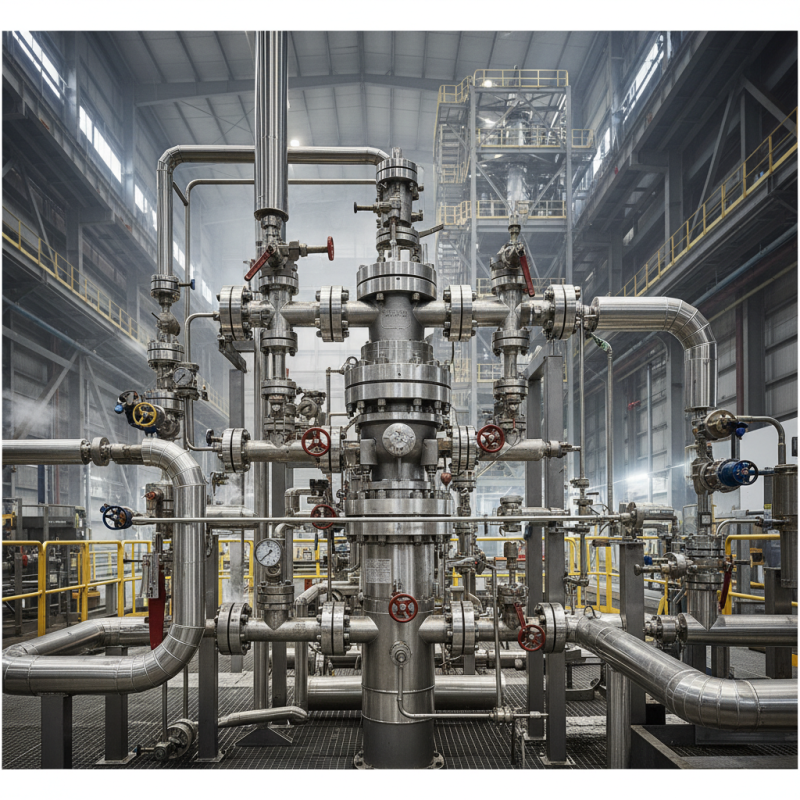
What is a Manifold Block System and How Does it Work?

What is a Manifold Block System? Definition and Overview

A manifold block system is a critical component in various engineering applications, especially in hydraulic and pneumatic systems. It serves as a central hub that connects multiple lines into a single block, allowing for streamlined control and distribution of fluid or gas. This system enhances efficiency and minimizes leaks by consolidating connections, which is crucial in industrial settings. According to industry reports, around 35% of fluid power systems experience efficiency losses due to poor manifold design.

The design of a manifold block system can vary widely based on application. It often includes various ports and paths tailored to specific needs. For example, a typical manifold may feature a combination of inlet, outlet, and pressure ports. Yet, even with advanced designs, issues can arise. A miscalculation in a system can lead to pressure drops, reducing overall efficiency. It's a reminder that precision is vital in manifold block creation.

Moreover, the materials used in manufacturing these systems can dramatically affect performance. A study showed that 60% of failures in hydraulic systems occur due to material fatigue. Choosing quality materials is essential, but it also drives costs up. Balancing cost and functionality remains a challenge for many engineers. Optimization of manifold systems requires continuous learning and iterating designs to achieve reliability and efficiency.

Key Components of Manifold Block Systems: A Breakdown

A manifold block system is crucial in various industrial applications. The core of these systems includes valves, fittings, and piping. Each component plays a vital role in controlling fluid flow. Valves manage fluid distribution effectively, while fittings connect various lines. According to a recent industry report, about 30% of equipment failures stem from improper manifold block installation.

Details matter. The choice of materials for the manifold blocks can significantly impact their performance. For instance, corrosion-resistant materials are essential in harsh environments. A small flaw in installation can lead to costly leaks. The average maintenance cost due to such leaks can rise to 15% of the total operating costs.

Monitoring and testing are also essential. Regular checks can prevent failures. However, many systems go without enough oversight. A surprising 40% of industry professionals admit they lack sufficient training in manifold maintenance. This gap can lead to operational inefficiencies. Addressing these issues requires a thoughtful approach to training and system design.

How Manifold Block Systems Enhance Fluid Control Efficiency

Manifold block systems play a crucial role in fluid control efficiency across various industries. These systems help manage multiple fluid lines with a single assembly, reducing clutter and risk of leaks. According to a recent report by the International Fluid Power Society, using manifold systems can enhance efficiency by up to 30%. This improvement is vital for industries relying on precise fluid management, such as manufacturing and chemical processing.

These systems simplify the complexity of traditional piping. They use fewer components, which leads to a reduction in potential failure points. For example, they often integrate valves and sensors into one unit. This integration can lower installation costs and shorten maintenance time. However, a common pitfall is the over-reliance on a single manifold design, which may not suit all applications. Customization is essential to ensure optimal performance.

Additionally, manifold block systems contribute to energy efficiency. By streamlining fluid flow, they reduce the power needed for pumps. A study by the Fluid Power Research Center suggested that companies could save up to 20% on energy costs with properly implemented manifold systems. Yet, it’s necessary to monitor system performance continually. Small changes in fluid dynamics can lead to larger, unintended consequences if not managed correctly. Understanding these factors is vital for successful fluid control.

Applications of Manifold Block Systems in Various Industries

Manifold block systems are crucial in various industries. These systems manage fluid flow efficiently. They simplify the process of controlling multiple lines. In sectors like oil and gas, they optimize resource extraction. By consolidating connections, they reduce the risk of leaks. This is vital for safety and efficiency.

In the manufacturing sector, manifold systems enhance automation. They support the precise delivery of fluids, gases, or chemicals. Many factories utilize these systems to streamline production. However, not all installations are perfect. Maintenance is often overlooked, leading to potential failures. Engineers must regularly check seals and valves to ensure proper functionality.

The renewable energy industry also benefits from manifold block systems. They play a key role in solar and wind power setups. Managing the flow of coolant or hydraulic fluids is essential. Yet, sometimes the intricacies of these systems can cause confusion. Understanding their maintenance needs can be challenging. Workers must be trained adequately to handle these systems effectively.

Maintenance Practices for Optimal Performance of Manifold Block Systems

Proper maintenance of manifold block systems is crucial for their efficiency. These systems support a variety of operations in industries like oil and gas. Regular inspection can prevent costly failures. According to a 2021 industry report, 30% of maintenance delays stem from inadequate checks. This statistic highlights the importance of routine evaluations and documentation.

Optimal performance requires specific actions. Regular cleaning of valves and connections can enhance flow and decrease pressure loss. Industry standards recommend flushing systems every quarter. However, many facilities miss this schedule. Additionally, monitoring and calibrating sensors can prevent malfunction. A study revealed that 25% of system inefficiencies come from unmonitored variables. This calls for a proactive approach to maintenance.

Training of personnel is often overlooked. Skilled operators identify issues before they escalate. Yet, many teams lack ongoing training. It's vital to keep staff updated about new practices. Investing in training can improve overall system reliability. Data shows that well-trained teams reduce downtime by up to 40%. This metric underscores the need for continual learning in the maintenance of manifold block systems.

Performance Overview of Manifold Block Systems

The following bar chart illustrates the performance parameters of various manifold block systems based on maintenance practices. The data reflects the optimal operation levels in terms of efficiency, reliability, and maintenance frequency.

FAQS

: What is a manifold block system?

: It connects multiple lines in hydraulic and pneumatic systems. It helps control and distribute fluid or gas more efficiently.

Why is a manifold block system important?

It minimizes leaks and consolidates connections, which enhances efficiency in industrial applications.

What components are included in a manifold block system?

Key components include valves, fittings, and piping. Each is crucial for effective fluid flow control.

How do design issues affect manifold block systems?

Miscalculations can lead to pressure drops, affecting efficiency. Precision in design is vital for optimal performance.

What are the risks of improper installation?

About 30% of equipment failures are linked to improper installation. Small flaws can result in costly leaks.

Why is material choice significant?

The right materials impact performance and durability. Corrosion-resistant options are crucial in challenging environments.

How often should manifold systems be monitored?

Regular monitoring can help prevent failures. Yet, many systems lack sufficient oversight and maintenance checks.

What training gaps exist in the industry?

About 40% of professionals feel untrained in manifold maintenance. This lack of training can lead to inefficiencies.

What challenges do engineers face with costs?

Balancing quality materials and budget constrains engineers. High-quality options can drive up overall costs significantly.

How can continuous learning help improve manifold systems?

Iterating designs through ongoing education enhances reliability and efficiency, addressing common performance issues effectively.

Conclusion

A Manifold Block System is a crucial component in fluid control systems, designed to manage the distribution and regulation of fluids efficiently. This system comprises several key components, including valves, ports, and connectors that work together to enhance performance and streamline fluid handling. By ensuring precise control and reducing the risk of leaks, a Manifold Block System significantly improves operational efficiency across various applications.

In multiple industries, such as oil and gas, chemical processing, and manufacturing, the adoption of Manifold Block Systems has proven beneficial. These systems not only optimize fluid flow but also contribute to safer and more reliable operations. To maintain optimal performance, regular maintenance practices, including inspections and prompt repairs, are essential. Overall, the implementation of a Manifold Block System is integral to achieving effective fluid control and enhancing productivity.

Henry

Henry

Henry is a dedicated marketing professional with a profound expertise in the company's offerings. With years of experience in the industry, he possesses an impressive understanding of the market dynamics and consumer behaviors that drive success. Henry is committed to sharing his insights through......