Micro Precision Micro Precision

Essential Tips for Choosing the Right Forklift Actuator?

Time:2026-05-13 Author:Henry
0%

Choosing the right forklift actuator is crucial for operational efficiency. As industry expert John Smith states, “The right actuator can make or break your lifting operations.” This underscores the importance of selecting an actuator that meets your specific needs.

Many factors influence the decision-making process. Different types of forklift actuators offer unique benefits and limitations. Consideration of load capacity, speed, and durability is essential. Neglecting these factors can lead to performance issues, resulting in costly downtimes.

Moreover, understanding the actuator's compatibility with your forklift model is vital. Mismatched components can create safety hazards and operational inefficiencies. It is not always easy to find the best fit, and reflection on past experiences can provide valuable insights into making informed choices. Ultimately, a well-chosen forklift actuator can greatly enhance productivity and safety in your operations.
Essential Tips for Choosing the Right Forklift Actuator?

Understanding Forklift Actuators: Types and Functions

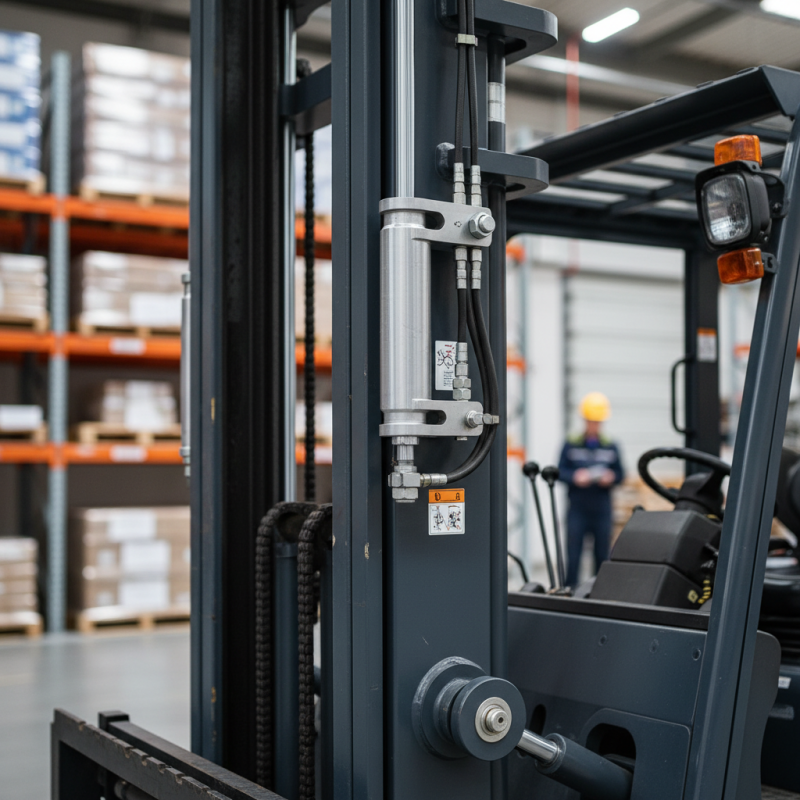
Forklift actuators play a crucial role in the efficiency and safety of material handling operations. There are various types of actuators used in forklifts, each designed for specific tasks. Hydraulic actuators are prominent; they utilize fluid power for lifting, tilting, and lowering. Electric actuators, on the other hand, are popular for their energy efficiency and precision in control. According to the Material Handling Industry of America, over 60% of forklifts rely on hydraulic systems for their operations, underscoring the significance of selecting the right actuator type.

Understanding the function of forklift actuators is essential for effective maintenance. Poor actuator performance can lead to increased operational costs and safety risks. A misconfigured actuator may result in inadequate lifting capacity. Regular inspections are critical. Industry reports indicate that improper actuator management can reduce productivity by up to 30%. Additionally, operators should consider actuator durability and compatibility with specific forklift models. Not all actuators meet the same standards; some may be prone to failure under heavy loads.

When choosing an actuator, experts recommend evaluating load requirements and operational environments. For instance, in cold storage, actuators must withstand lower temperatures. Moreover, be cautious of cost-cutting on actuators. Cheaper options might compromise safety and longevity. In the long run, investing in high-quality actuators can significantly enhance forklift performance and reliability.

Essential Tips for Choosing the Right Forklift Actuator

Type of Actuator Function Load Capacity Power Source Typical Application
Hydraulic Actuator Lift heavy loads with precision Up to 10,000 lbs Hydraulic fluid Heavy-duty lifting tasks
Electric Actuator Precise positioning and control Up to 5,000 lbs Electric motor Light to medium-duty applications
Pneumatic Actuator Fast actuation and response Varied based on design Compressed air Applications requiring speed
Linear Actuator Straight motion for various loads Up to 1,500 lbs Electric or hydraulic Adjustable platforms and controls

Key Factors to Consider When Choosing a Forklift Actuator

Choosing the right forklift actuator involves several key factors. Start by considering the actuator type. Hydraulic, electric, and pneumatic actuators serve different applications. Each has unique benefits and limitations. Understand the specific needs of your operation to make an informed choice.

Evaluate the load capacity. Ensure that the actuator can handle the weight of the loads you typically transport. If the actuator is under a higher load than it is rated for, this could lead to failures. Maintenance requirements should also be on your checklist. Some actuators need regular servicing, while others are more self-sufficient. This can impact your operational downtime and overall efficiency.

Don't overlook compatibility with your forklift model. Mismatched components can cause performance issues. Check the specifications thoroughly. It’s advisable to consult manufacturers or experts in this field. Their insights can help you avoid potential pitfalls. Investing time in these factors can lead to a more efficient and reliable forklift operation.

Essential Tips for Choosing the Right Forklift Actuator

Evaluating the Compatibility of Actuators with Your Forklift Model

Choosing the right forklift actuator requires careful consideration of compatibility with your specific forklift model. The actuator is crucial for lifting and lowering loads. A mismatch can lead to inefficiency and potential safety hazards. It's essential to check the specifications of your forklift before making a decision. Does the actuator support the weight capacity required? Are the dimensions suitable for your system?

Compatibility is not merely about fitting dimensions. It also includes the electrical and hydraulic systems. Each forklift model might have unique wiring and hydraulic requirements. Ignoring these factors can compromise the performance of your forklift. Take time to assess the actuator’s power and responsiveness in conjunction with your model’s requirements.

Always refer to the forklift’s manual for guidance on compatible actuators. Sometimes, the suggestions may not be exhaustive. Gathering feedback from technicians experienced with your forklift model can provide valuable insights. Their hands-on expertise often reveals hidden nuances that specifications do not imply. This approach helps mitigate future operational issues, ensuring your system functions reliably and efficiently.

Importance of Quality and Manufacturer Reputation in Actuator Selection

When selecting a forklift actuator, the quality and manufacturer reputation play crucial roles. Data from the Material Handling Industry report shows that around 70% of equipment failures are linked to subpar components. This highlights the importance of choosing actuators from reputable manufacturers. A trustworthy brand often signifies rigorous quality assurance processes and better engineering practices.


Research indicates that actuators should meet industry standards, such as ISO 9001. Such certifications ensure that the products are consistently high quality. Moreover, feedback from industry experts suggests that actuators made with durable materials tend to last longer and perform better. A well-regarded manufacturer typically employs advanced technology, ensuring efficiency and reliability in actuator performance.


Choosing a substandard actuator can lead to operational inefficiencies. Some users may prioritize cost savings over quality, leading to future expenses on repairs or replacements. Fact-checking reviews and seeking professional advice can help mitigate risks. Investing time in understanding manufacturer backgrounds can save money and frustration in the long run.

Maintenance and Support Considerations for Your Forklift Actuator

When selecting a forklift actuator, maintenance and support are crucial. Regular inspections can prevent costly breakdowns. Check for signs of wear and tear. Look for leaks and listen for unusual noises. These simple actions can extend the life of the actuator.


Establish a routine maintenance schedule. Ensure that all components are lubricated properly. Replace damaged parts promptly. Seek guidance from professionals when needed. Knowing when to call for help can save time and money. An unmaintained actuator can cause serious operational issues.


Training staff is equally important. Employees should understand the actuator’s functions and care. Provide manuals or quick guides for reference. Encourage questions and discussions during training sessions. This approach not only empowers your team but also fosters a culture of safety and reliability. Regular feedback can highlight areas for improvement and strengthen operational efficiency.

FAQS

: What should I consider when choosing a forklift actuator?

: Look at actuator type, load capacity, maintenance needs, and compatibility with your forklift model.

Why is the actuator type important?

Different types, like hydraulic, electric, and pneumatic, have unique benefits and limitations for various applications.

How can I assess load capacity?

Ensure the actuator can handle the typical weight of the loads you transport. Avoid exceeding its rated capacity.

What maintenance requirements should I think about?

Some actuators need regular servicing, while others are more self-sufficient. Understand how this affects your efficiency.

What happens if I use an incompatible actuator?

Mismatched components can lead to performance issues and potential safety hazards. It's critical to check specifications thoroughly.

How can I ensure compatibility with my forklift model?

Always refer to the forklift’s manual and consult technicians for insights. Their experience can reveal crucial details.

What specific factors affect compatibility?

Consider electrical and hydraulic systems, as they may have unique wiring and requirements specific to each model.

Can a mismatch impact operational efficiency?

Yes, ignoring compatibility details can compromise forklift performance, leading to inefficiencies and potential operational issues.

What should I do if manual suggestions are limited?

Gather feedback from experienced technicians. Their expertise often uncovers insights not covered in the manuals.

How can I avoid future operational issues?

Take time to evaluate all factors carefully. Investing effort now can lead to a reliable forklift operation.

Conclusion

When selecting the right forklift actuator, it is essential to understand the various types and functions each actuator can perform. Key factors to consider include compatibility with your specific forklift model, as well as the quality and reputation of the manufacturer. A reliable forklift actuator not only enhances performance but also ensures safety during operations.

In addition to these considerations, evaluating maintenance and support options is crucial. Ensuring access to adequate support and service can prolong the actuator's life and improve overall efficiency. By focusing on these aspects, you can make an informed decision and select a forklift actuator that meets your operational needs effectively.

Henry

Henry

Henry is a dedicated marketing professional with a profound expertise in the company's offerings. With years of experience in the industry, he possesses an impressive understanding of the market dynamics and consumer behaviors that drive success. Henry is committed to sharing his insights through......