 Micro Precision
Micro Precision
Micro Precision
The hydraulic block industry in China is experiencing significant growth. According to a report by MarketsandMarkets, the hydraulic equipment market is expected to reach USD 49.3 billion by 2025, driven by industrial automation and rising demand in construction and manufacturing sectors. This increase in demand for hydraulic components directly influences the need for high-quality hydraulic blocks.
Quality hydraulic blocks are crucial for the performance and safety of hydraulic systems. They play a vital role in controlling fluid flow, pressure, and direction. Reliable suppliers must maintain high standards to ensure efficiency and durability. However, sourcing from China presents challenges, including quality assurance and supplier reliability.
Several leading suppliers in China are establishing reputations for excellence. Yet, buyers should ensure they research thoroughly. Evaluating supplier credentials is essential to avoid potential pitfalls. Industry reports highlight that not all suppliers meet international standards. Engaging with reputable manufacturers can mitigate these risks. Insights into previous client experiences can also guide decision-making, crucial in this competitive landscape.
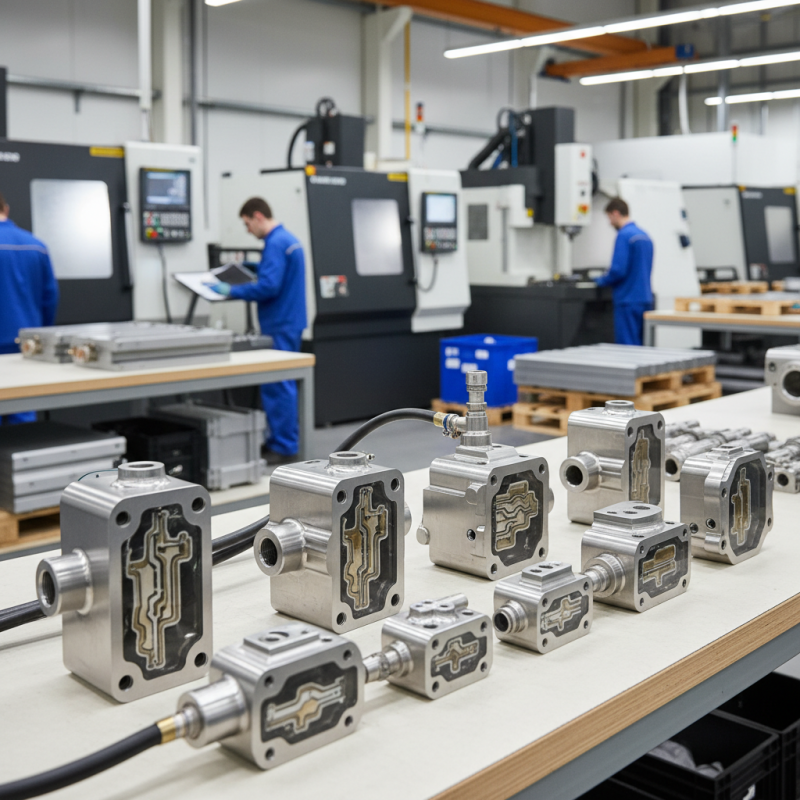
Hydraulic blocks play a crucial role in various industrial applications. These blocks serve as essential components in hydraulic systems, where they facilitate the regulation of fluid flow. Often made from high-quality metals or alloys, their durability is vital for ensuring consistent performance. The design of a hydraulic block can vary, depending on its intended use, affecting how it interacts with other system elements.
Applications of hydraulic blocks are diverse. They are widely used in construction machinery, automotive systems, and manufacturing equipment. In these settings, hydraulic blocks control the movement of hydraulic fluid, which powers actuators. This functionality is vital for efficient operation. However, not all hydraulic blocks are created equal. Variability in manufacturing processes can lead to inconsistencies in performance. Choosing the right supplier can help mitigate these risks.
Several factors need consideration when selecting a hydraulic block. Attention to material selection, design specifics, and quality assurance processes is essential. Suppliers with a strong track record typically have the experience needed to deliver reliable products. However, potential buyers should remain vigilant and consider conducting thorough research. Not all suppliers maintain the same level of quality, which can impact long-term operational success.
| Supplier Type | Material Used | Pressure Rating (PSI) | Common Applications | Certification |
|---|---|---|---|---|
| OEM Supplier | Steel | 3000 | Construction Equipment | ISO 9001 |
| Export Manufacturer | Aluminum | 5000 | Agricultural Machinery | CE |
| Local Distributor | Cast Iron | 4500 | Manufacturing Equipment | API |
| Custom Fabricator | Stainless Steel | 6000 | Hydraulic Systems | ASME |
| Hydraulic System Integrator | Carbon Steel | 2500 | Industrial Applications | ISO 14001 |
: Hydraulic blocks are used in hydraulic systems to regulate fluid flow. They control the movement of hydraulic fluid.
They are often made from high-quality metals or alloys for durability. This durability is crucial for consistent performance.
Hydraulic blocks are widely used in construction, automotive systems, and manufacturing equipment. These are critical sectors.
Researching suppliers is essential. Look for those with a strong track record in quality and experience.
Consider material selection, design specifics, and quality assurance processes. These affect performance and longevity.
Quality control ensures products meet performance standards. Some components fail to meet these standards, which can cause issues.
Manufacturers must balance cost-effectiveness with eco-friendly practices. Continuous improvement is necessary for competitiveness.
Yes, the design can vary based on intended use. This impacts how a hydraulic block interacts with other elements.
No, variability in manufacturing can lead to performance inconsistencies. It’s crucial to select the right product.
The hydraulic block market, especially in specific regions, has seen significant growth. The demand for efficient machinery drives this trend.
The article discusses the significance of hydraulic blocks in various industrial applications, highlighting their essential role in controlling hydraulic systems. It emphasizes the importance of selecting high-quality hydraulic block suppliers, focusing on key criteria such as manufacturing standards, material quality, and supplier reputation.
Moreover, the article provides insights into top manufacturers of hydraulic blocks in China, comparing their offerings and identifying trends within the industry. As the demand for efficient hydraulic solutions continues to grow, understanding supplier capabilities and market dynamics becomes crucial for businesses looking to invest in hydraulic technology. Overall, the piece serves as a comprehensive guide for those seeking reliable hydraulic block suppliers in China.
