1 / 1
 Micro Precision
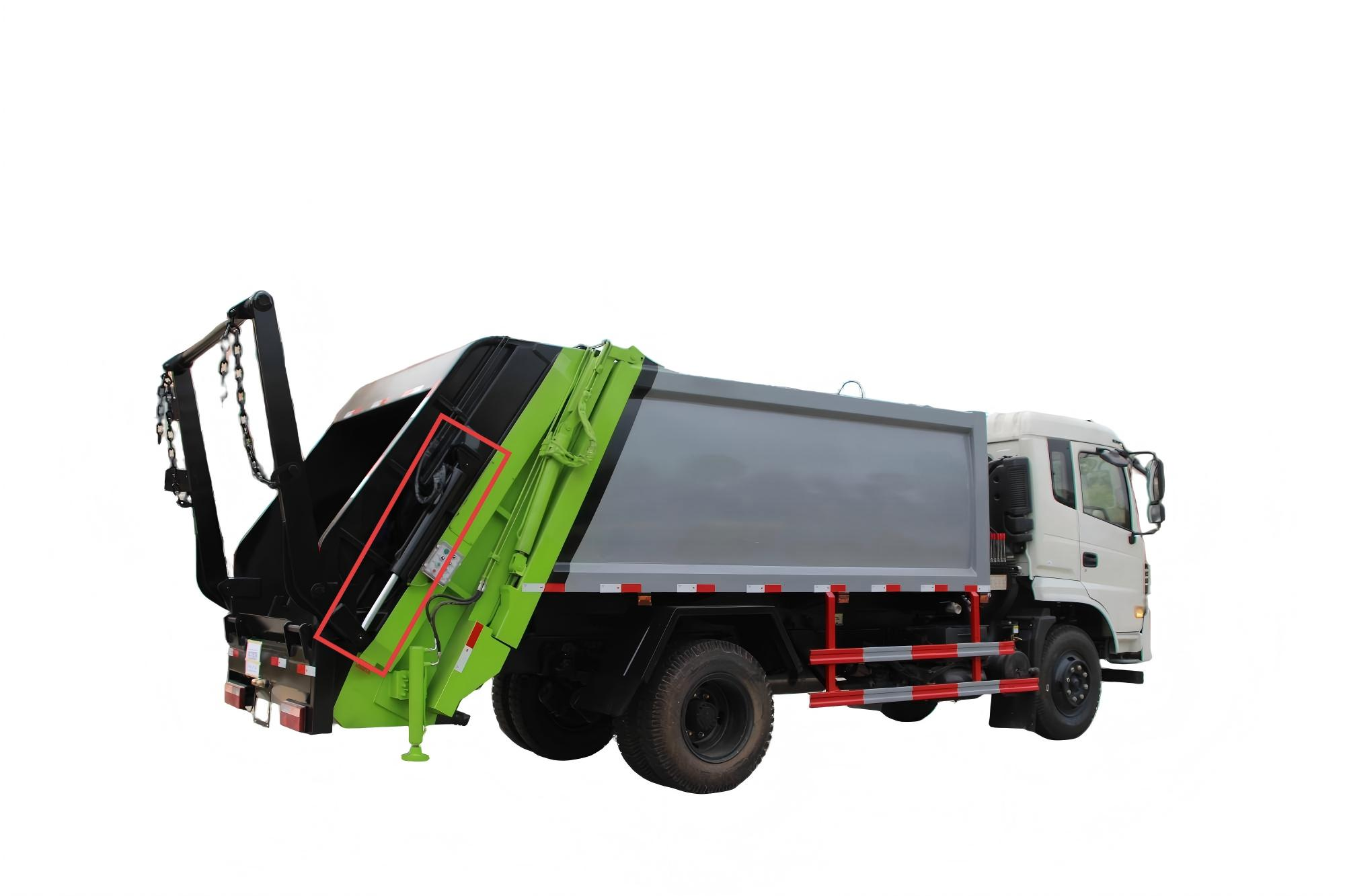
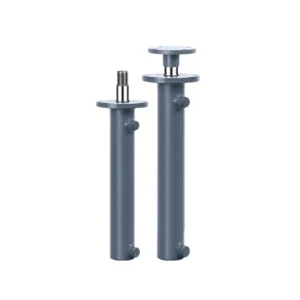
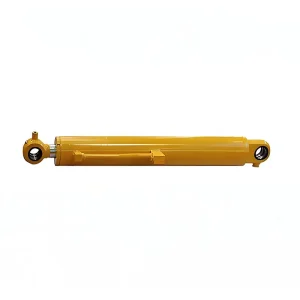
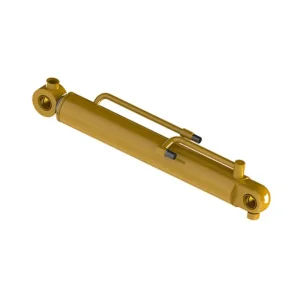
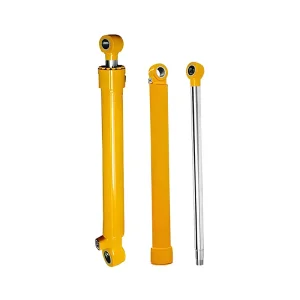
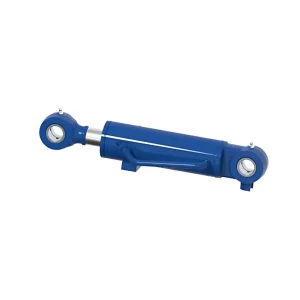
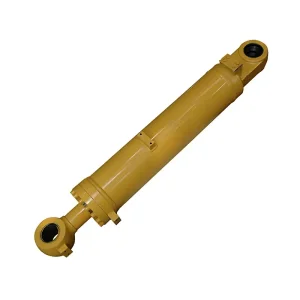
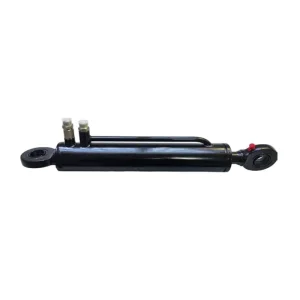
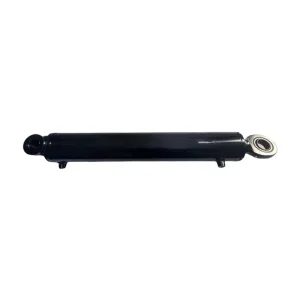
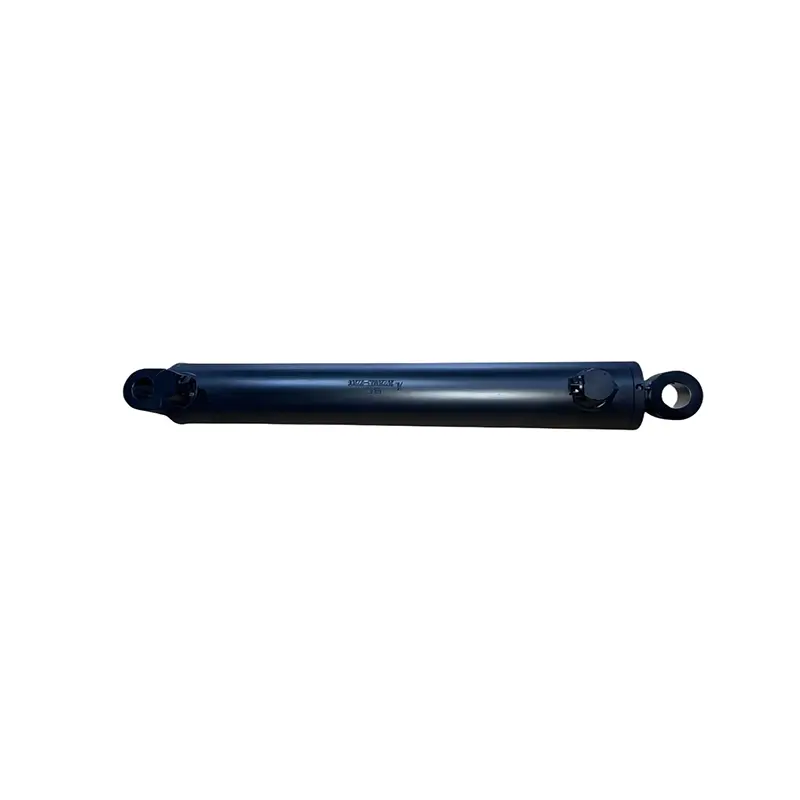
The Sanitation Vehicle Locking Cylinder is a vital actuator in specialized sanitation vehicles (e.g., garbage compactors, street sweepers), primarily designed for secure locking and rapid release of operational mechanisms. Constructed with high-strength materials and precision sealing technology, it ensures long-term reliability under frequent starts/stops, vibrations, and heavy loads. Its key functions include preventing accidental compartment openings, stabilizing compacting mechanisms, and adapting to demanding working conditions.
With the trend toward intelligent sanitation equipment, modern locking cylinders increasingly incorporate sensors and electro-hydraulic controls for real-time monitoring and remote operation. Optimized designs reduce energy consumption and maintenance needs while enhancing vehicle automation and operational accuracy, making them a critical component for efficient and safe sanitation operations.
Cylinder Barrel: High-Quality Carbon Steel (45#); Alloy Structural Steel (27SiMn); Stainless Steel (304/316)
Piston Rod: Chrome-Plated Alloy Steel (42CrMo); Stainless Steel (17-4PH)
Seal Material: Nitrile Rubber (NBR); Fluorocarbon Rubber (FKM); Polyurethane (PU)
Guide Sleeve: Wear-resistant bronze (ZCuSn10Pb1) or modified POM
End Cap: QT500-7 ductile iron or 45# steel
Fasteners: Grade 8.8/12.9 high-strength bolts
Piston Rod: Hard chrome plating (HV≥800) + polishing (Ra≤0.2μm)
Bore Interior: Honing (Ra≤0.4μm)
Anti-Corrosion: Dacromet or zinc-nickel alloy plating
Seal Brands: NOK, Parker, MAPKER, SKF, etc.
Maintenance: Seal replacement every 2 years/500K cycles; Oil cleanliness NAS 1638 Class 8; Biannual corrosion inspection.
| Model | Bore Size (mm) | Rod Size (mm) | Work Pressure (MPa) |
|---|---|---|---|
| Sanitation Vehicle Locking Cylinder | 40-63 | 22-35 | 15-30 |
With 25 years of experience in hydraulic cylinder manufacturing, these cylinders are primarily used in:
Hydraulic lifting and steering cylinders for cranes, forklifts, tractors, loaders, and excavators.
Hydraulic cylinders, tie rod cylinders, and compact cylinders for automation lines.
Heavy-duty cylinders and stainless steel hydraulic cylinders for demanding sea environments.
We can design and customize piston hydraulic cylinders according to your needs. Please provide:
It is used to securely lock operational mechanisms (like garbage hoppers or compactors) and provide rapid release during disposal, ensuring safety during transit and operation.
Yes, we use materials like stainless steel and surface treatments like Dacromet or zinc-nickel alloy plating to ensure high corrosion resistance, especially for street sweepers and coastal operations.
We use high-quality international brands such as NOK, Parker, and SKF to ensure leak-free performance and long service life.
Generally, seals should be replaced every 2 years or 500,000 cycles, depending on the working conditions and oil cleanliness.
Yes, we specialize in customization. By providing parameters like bore size, rod diameter, and stroke, we can design a cylinder tailored to your specific vehicle requirements.
Our standard sanitation locking cylinders typically operate within a pressure range of 15-30 MPa.