 Micro Precision
Micro Precision
Micro Precision
High-performance hydraulic components engineered for harsh operational environments in Malabo, Bata, and the wider Gulf of Guinea.
Equatorial Guinea, situated in the heart of Central Africa's Gulf of Guinea, represents a unique combination of natural resource abundance and rapidly growing infrastructure projects. Historically driven by its vast hydrocarbon reserves—specifically offshore crude oil and natural gas fields like Zafiro and Alba—the nation is actively pursuing economic diversification. The national developmental roadmap focuses heavily on maritime logistics, infrastructure expansion, sustainable forestry, and mineral exploration in the mainland Rio Muni region and the island of Bioko.
Within these heavy industries, hydraulic systems function as the essential muscle. From high-capacity offshore cranes servicing LNG terminals to excavation machinery carving highways through tropical rainforest terrains, the demand for highly resilient hydraulic cylinders is paramount. Standard off-the-shelf components often fail to withstand the extreme environmental challenges presented by Equatorial Guinea’s tropical maritime climate, which features constant high humidity (often exceeding 90%), ambient temperatures averaging 26°C to 30°C, and salt-laden sea breezes that accelerate standard oxidative corrosion.
Consequently, local enterprises and international engineering procurement contractors (EPCs) operating in Malabo, Bata, and Ciudad de la Paz require custom-built hydraulic cylinders engineered to resist corrosive salt-fog environments, tropical humidity, and continuous, heavy-load duty cycles.
Offshore exploration and processing demand corrosion-resistant hydraulic cylinders with nickel-chrome or laser-cladded rod coatings, optimized to resist saltwater degradation and marine atmospheres.
The modernization of the Ports of Malabo and Bata requires heavy-duty outrigger and telescopic luffing cylinders for container handling, heavy mobile cranes, and structural lifting equipment.
Logging operations in mainland Rio Muni rely on timber harvesters, loaders, and excavators. These require robust sealing systems to prevent dust, mud, and organic debris from compromising cylinder integrity.
How procurement heads and engineering directors evaluate hydraulic cylinder suppliers for high-stakes African infrastructure projects.
Purchasing heavy machinery components for operations in Central Africa involves several risk factors, particularly regarding logistics, component lifespan, and system downtime. In remote operations, such as deep-well drilling platforms or remote timber concessions, a single hydraulic seal failure can halt multi-million dollar projects. Therefore, international procurement managers prioritize factories that demonstrate high levels of E-E-A-T (Experience, Expertise, Authoritativeness, and Trustworthiness) by meeting the following criteria:
Standard carbon steel rods rust rapidly when exposed to tropical humidity and sea mist. Elite manufacturers utilize high-tensile steel alloys (such as AISI 1045, 4140, or 42CrMo4) combined with double-induction hardening. The piston rods must undergo hard chrome plating with a minimum thickness of 25–30 microns and a surface finish roughness of Ra < 0.2 μm. For highly corrosive marine environments, factories apply double-plating (nickel-chrome coating) or thermal spray laser cladding to achieve salt spray resistance ratings exceeding 500 hours under ASTM B117 standards.
Temperature fluctuations and high humidity can cause low-grade polyurethane seals to degrade prematurely. Heavy-duty hydraulic cylinders engineered for Central Africa must incorporate sealing systems from leading global suppliers such as Hallite, Merkel, or NOK. The seal configuration should include a primary buffer seal to absorb pressure spikes, a polyurethane U-cup rod seal for dynamic sealing, and a double-lip wiper seal to prevent environmental dust and moisture from entering the cylinder barrel.
To guarantee operational safety, factories must perform comprehensive quality assurance tests. This includes hydrostatic pressure testing up to 1.5 times the rated working pressure, ultrasonic testing of weld joints, and magnetic particle inspection of critical load-bearing zones. Mill test certificates (MTC) detailing material chemistry and physical properties must accompany every order to ensure full traceability.
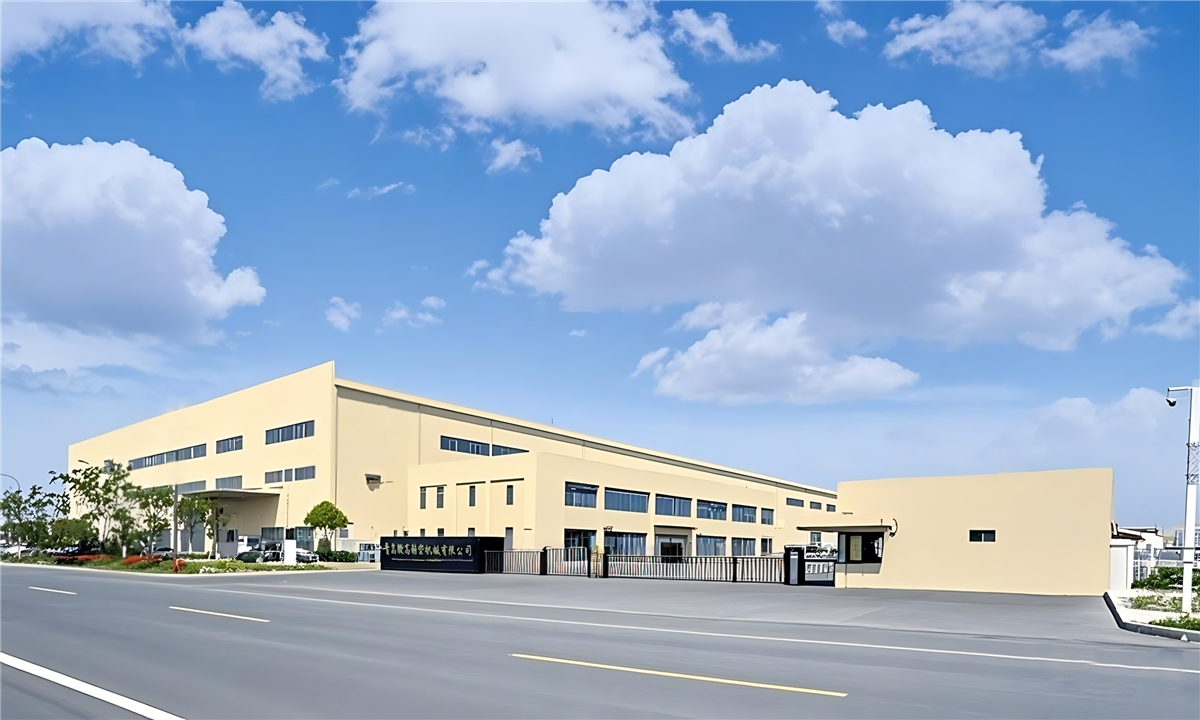
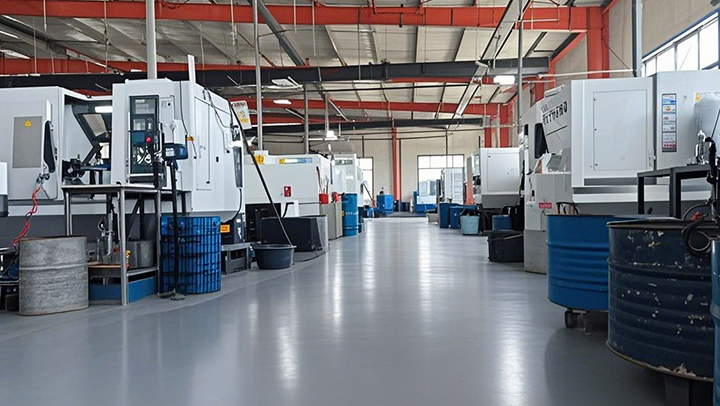
Since its establishment in 2006, Qingdao Micro Precision Machinery Co., Ltd. has evolved into a premier global manufacturer of high-performance hydraulic systems, precision mechanical parts, and compact mechanical equipment. With a dedicated R&D team, advanced production methodologies, and rigorous quality assurance, we provide high-tier products and engineering services to globally recognized enterprises including Sandvik, Volvo Construction Equipment, and Kubota.
Our commitment to precision engineering allows us to support major infrastructure, mining, and maritime projects in emerging economies, including Equatorial Guinea and the broader Central African economic region (CEMAC). Whether you need single-unit custom prototypes or high-volume OEM production, our facility is equipped to manufacture cylinders to your exact specifications.
Established with a commitment to "Precision Manufacturing, Reliable Quality," specializing in custom hydraulic cylinders and machined components.
Introduced advanced automated CNC systems, expanding our product catalog to include hydraulic valve blocks and specialized heavy-machinery attachments.
Partnered with Toyota for specialized tooling; built key supply chains across European and Asian markets; integrated high-precision imported inspection systems.
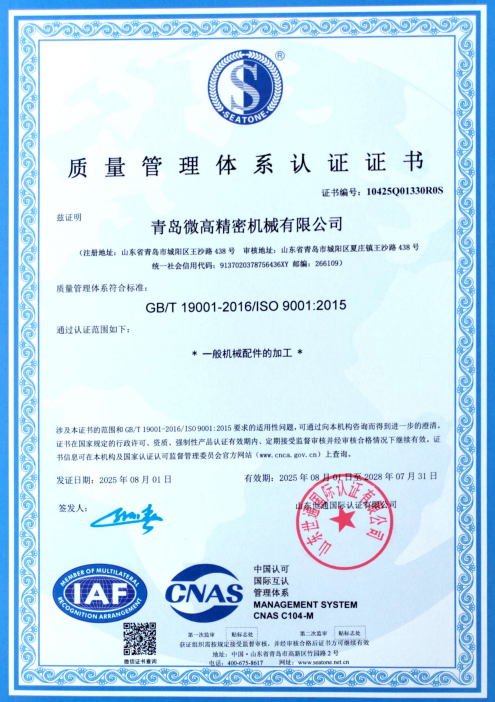
Successfully achieved ISO 9001 validation for our quality management systems and introduced our proprietary high-cushion hydraulic buffer technology.
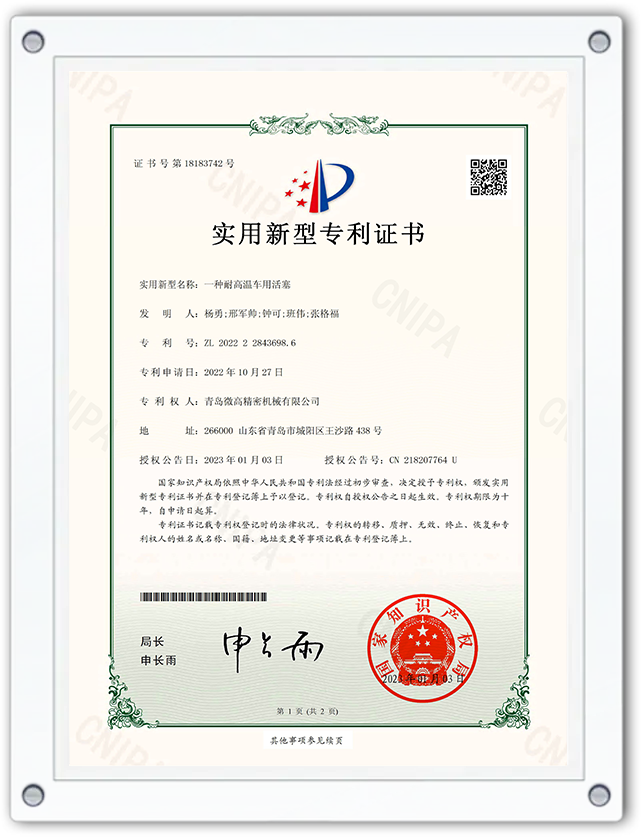
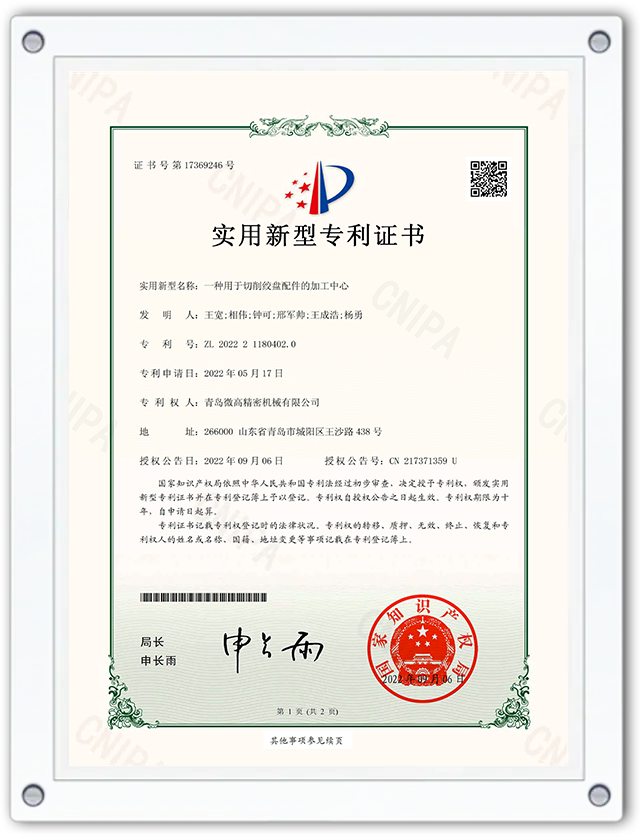
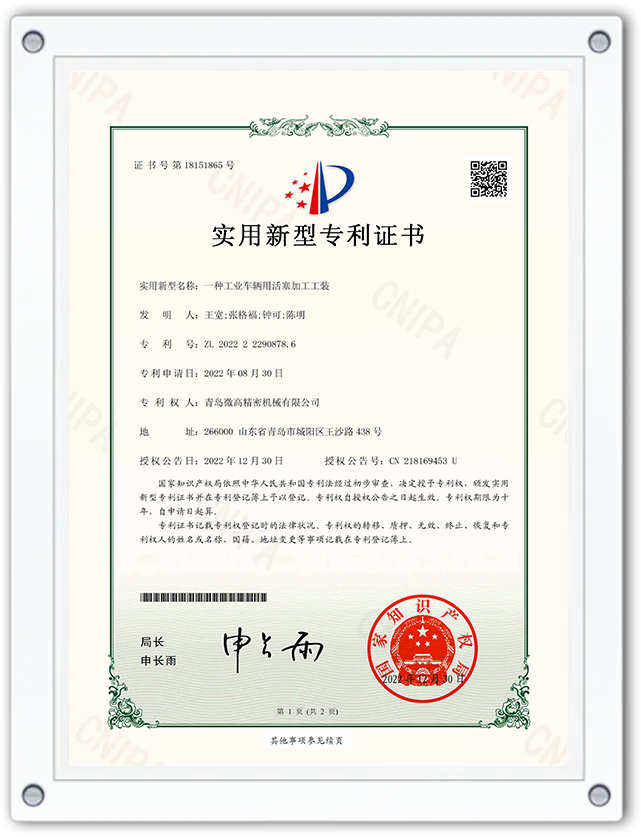
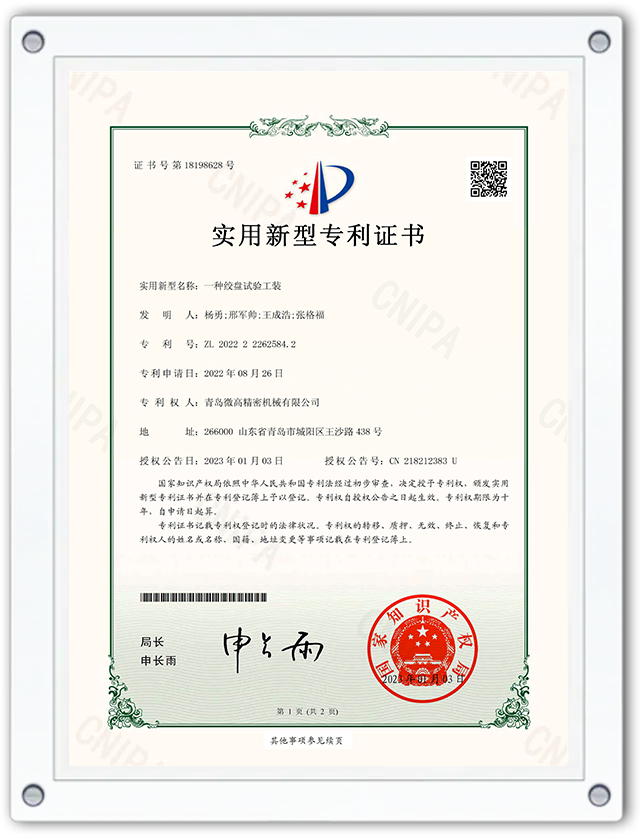
Formally recognized as a National High-Tech Enterprise, delivering custom hydraulic systems to 35+ countries, including the CEMAC region.
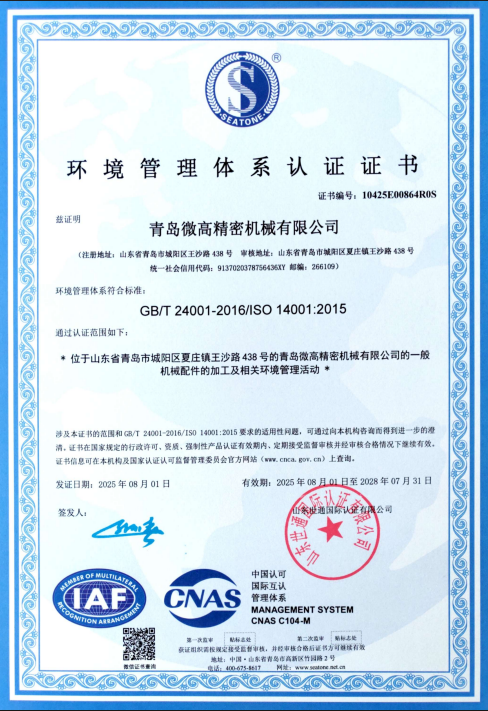
Our processes conform to global standards, ensuring that every cylinder delivered to Equatorial Guinea meets demanding performance benchmarks.
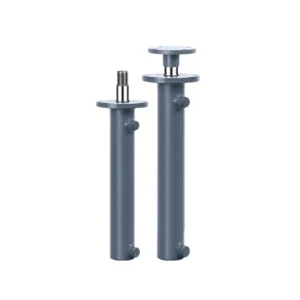
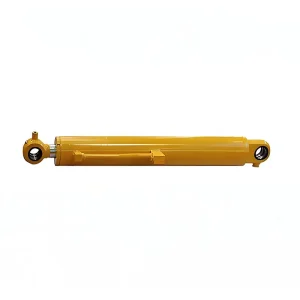
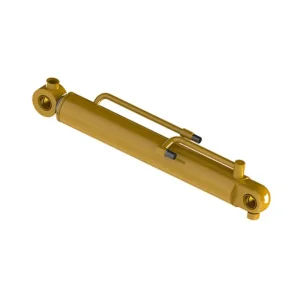
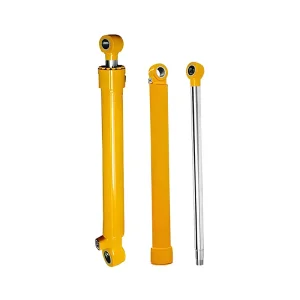
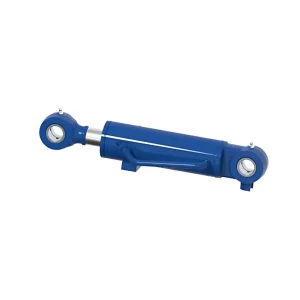
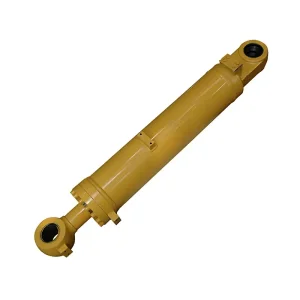
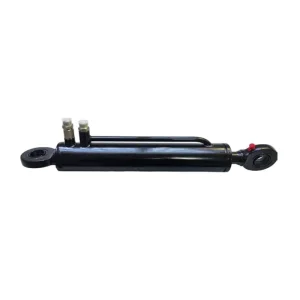
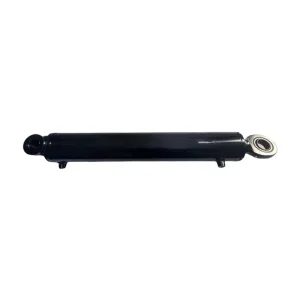
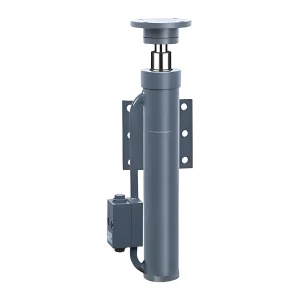
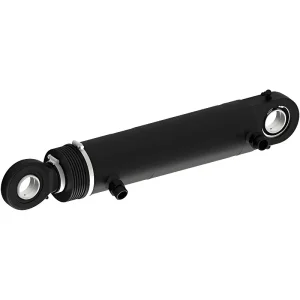
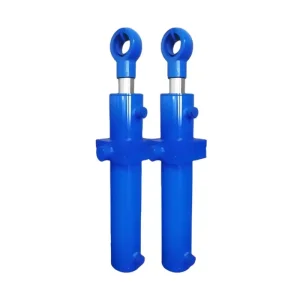
Heavy-duty double-acting cylinders, multi-stage telescopic variants, and specialized actuators built to withstand harsh African tropical environments.
Adapting to the future of heavy industry through smart, efficient, and sustainable fluid power designs.
The global fluid power industry is experiencing a significant shift toward system integration, diagnostic feedback, and environmental compliance. As industries in Equatorial Guinea scale up technical complexity, importing components that align with these long-term trends minimizes obsolescence risks and future-proofs high-value machinery. Below is our engineering roadmap for next-generation hydraulic actuators:
By embedding linear magnetostrictive position transducers directly into the cylinder head, we enable real-time stroke measurement and pressure sensing. This allows machinery operators to implement predictive maintenance models, virtually eliminating unexpected system failures.
To comply with maritime and sensitive rainforest regulations in Central Africa, our cylinders utilize specialized seal materials (such as HNBR and Fluorocarbon FKM) that are compatible with biodegradable synthetic ester-based hydraulic fluids.
We are transitioning critical-duty piston rod treatments to High Velocity Oxygen Fuel (HVOF) and laser cladding technologies. This provides a hard surface layer that resists both impact and corrosion, outperforming standard chrome plating in marine environments.
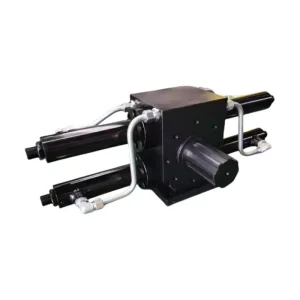
Hydraulic fluid experiences severe thermal stress under continuous operations in high ambient temperatures. Our design engineering team addresses this by incorporating integrated cooling paths and dynamic bypass channels within custom valve blocks. This prevents localized oil overheating, preserves fluid viscosity, and protects the seals from premature thermal hardening.
Additionally, we specialize in high-capacity buffer hydraulic cylinders. These systems use targeted deceleration cushion rings that slow the piston velocity at the end of the stroke. This minimizes physical impacts, limits structural stress on the machinery, and extends the overall fatigue life of the cylinder.
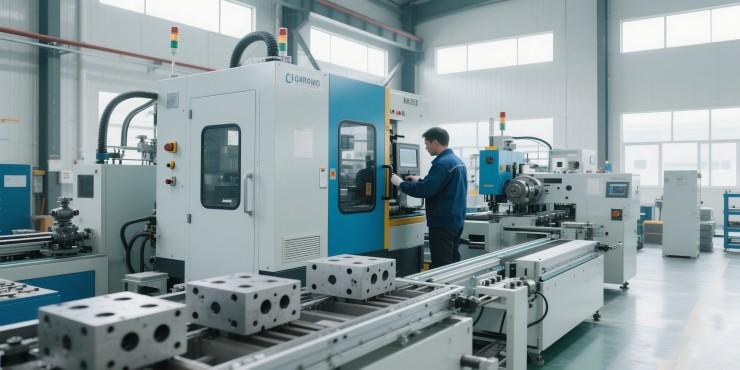
Navigating international supply chains into Central Africa requires careful planning, strict regulatory compliance, and robust logistics management. At Qingdao Micro Precision, we understand the specific administrative requirements of the CEMAC zone and the local ports of entry at Malabo and Bata.
To ensure smooth importation, we assist clients by providing fully compliant document packages, including clean bills of lading, detailed commercial invoices, complete packing lists, and certificates of origin. Additionally, we coordinate pre-shipment inspections with third-party testing services such as SGS, Bureau Veritas (BV), or Intertek. These inspections verify product quality before dispatch, helping to prevent customs delays and ensure that all imported parts conform to national industrial standards.
By establishing strategic shipping routes from our coastal manufacturing facilities, we offer flexible freight options (FCL, LCL, or Air Freight) that align with project timelines and minimize operational downtime.
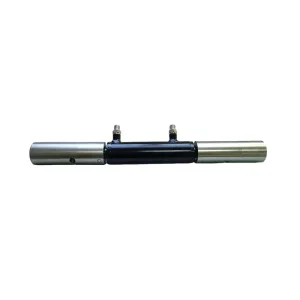
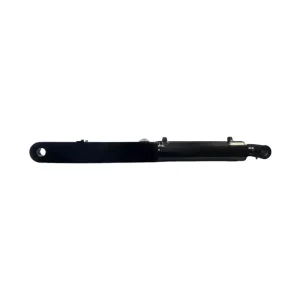
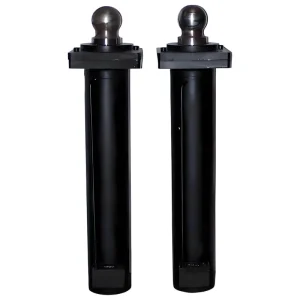
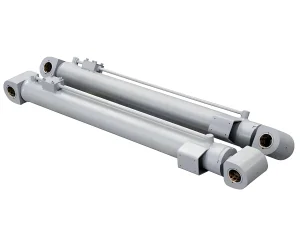
Additional custom-built actuators and suspension components engineered to complete our comprehensive product portfolio.
Answers to common technical, logistics, and quality questions from engineering and procurement professionals.