1 / 4
 Micro Precision
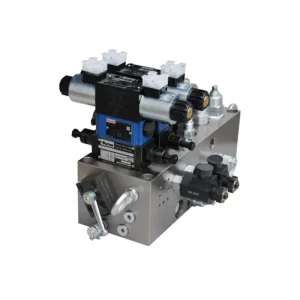
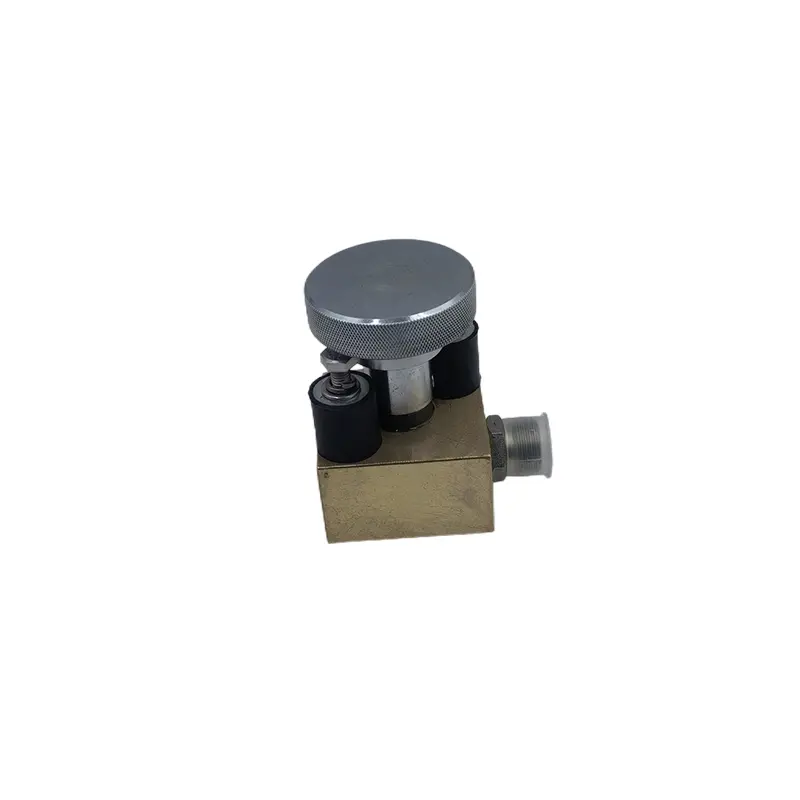
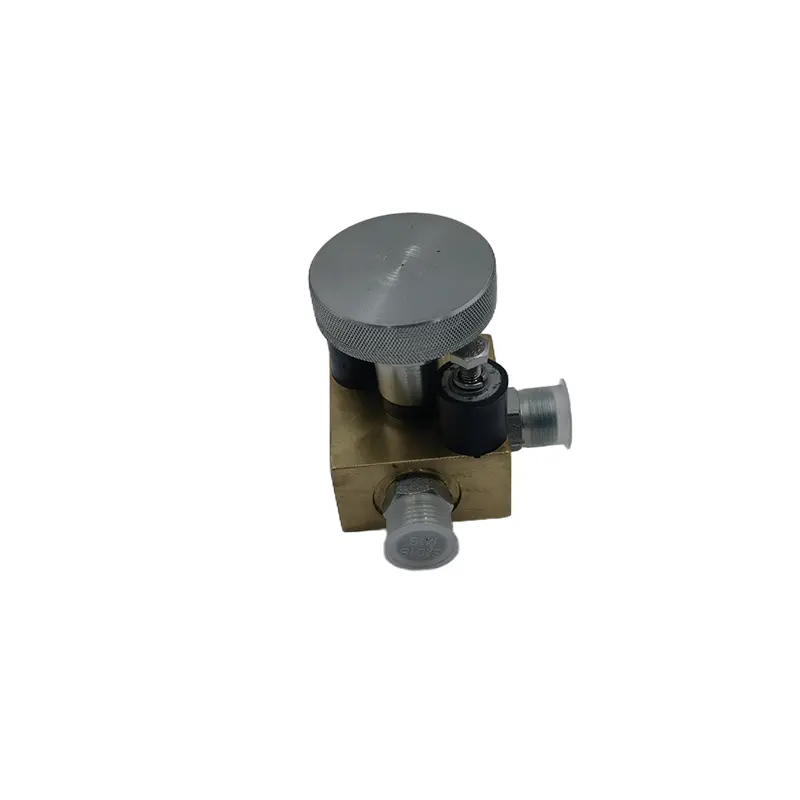
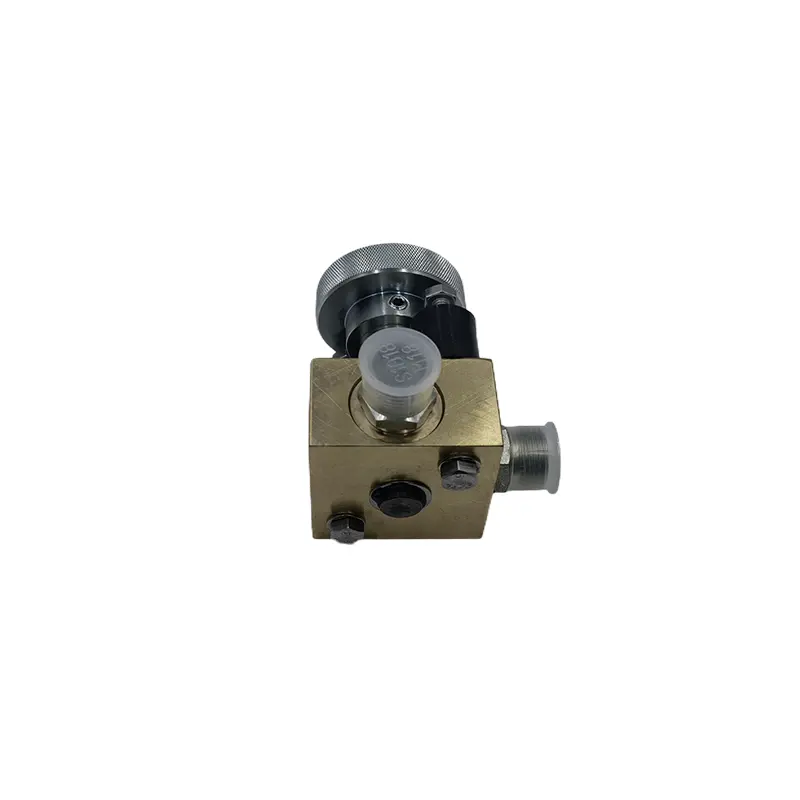
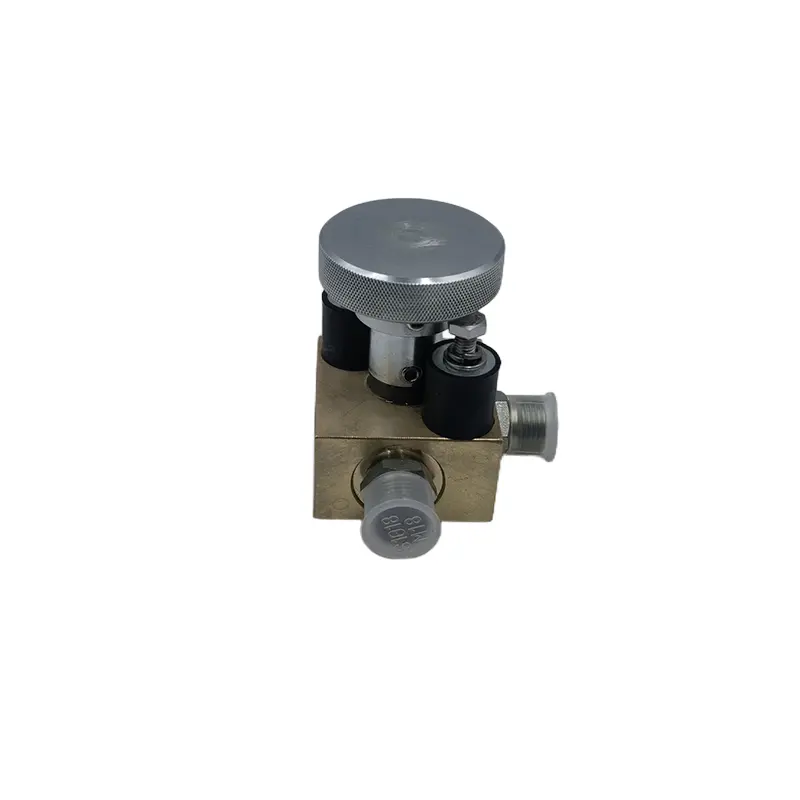
By manually adjusting the opening of the speed regulating valve block, the flow of hydraulic oil can be precisely controlled. When the forklift is working, the flow of hydraulic oil entering the corresponding cylinder can be flexibly adjusted according to different operating requirements, such as the lifting speed of the tipping bucket, the loading and unloading speed of the bucket, etc., so as to control the movement speed of the working parts.
When the system pressure fluctuates, the stability of the output flow can be guaranteed, thereby ensuring that the movement speed of the working parts is not affected by the pressure change. For example, when the forklift lifts heavy objects, even if the engine load changes and the hydraulic system pressure fluctuates, the speed regulating valve block can keep the movement speed of the tipping bucket cylinder relatively stable, avoid the phenomenon of the tipping bucket speeding up and slowing down, and improve the stability and accuracy of the operation.
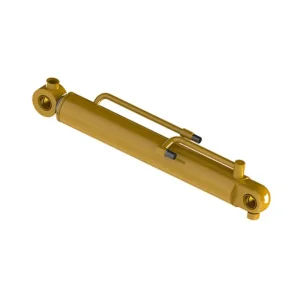
Forklifts usually have multiple hydraulic actuators, such as tipping bucket cylinders, bucket cylinders, etc. The manual speed regulating valve block can distribute and adjust the flow of different oil circuits, so that each actuator can coordinate actions according to work requirements and realize complex work processes. For example, when shoveling materials, the bucket and the dump bucket can work together at a certain speed and sequence.
Flow Rate: The nominal flow of manual speed regulating valve blocks commonly used in construction machinery such as forklifts has different specifications such as 40L/min, 50L/min, 63L/min, 100L/min, and 160L/min.
The actual flow rate will vary due to system factors. When system pressure is stable and load remains unchanged, the larger the throttle opening, the higher the flow rate. When the load changes, the differential pressure reducing valve in the speed regulating valve block will automatically compensate to keep the pressure difference before and after the throttle valve at a constant value, maintaining a stable flow rate.